
Categories
Dive Deeper
Page Stats
Navigation
Categories
Dive Deeper
Page Stats
Complete Details
All information about this creature
Overview
Quesselatos
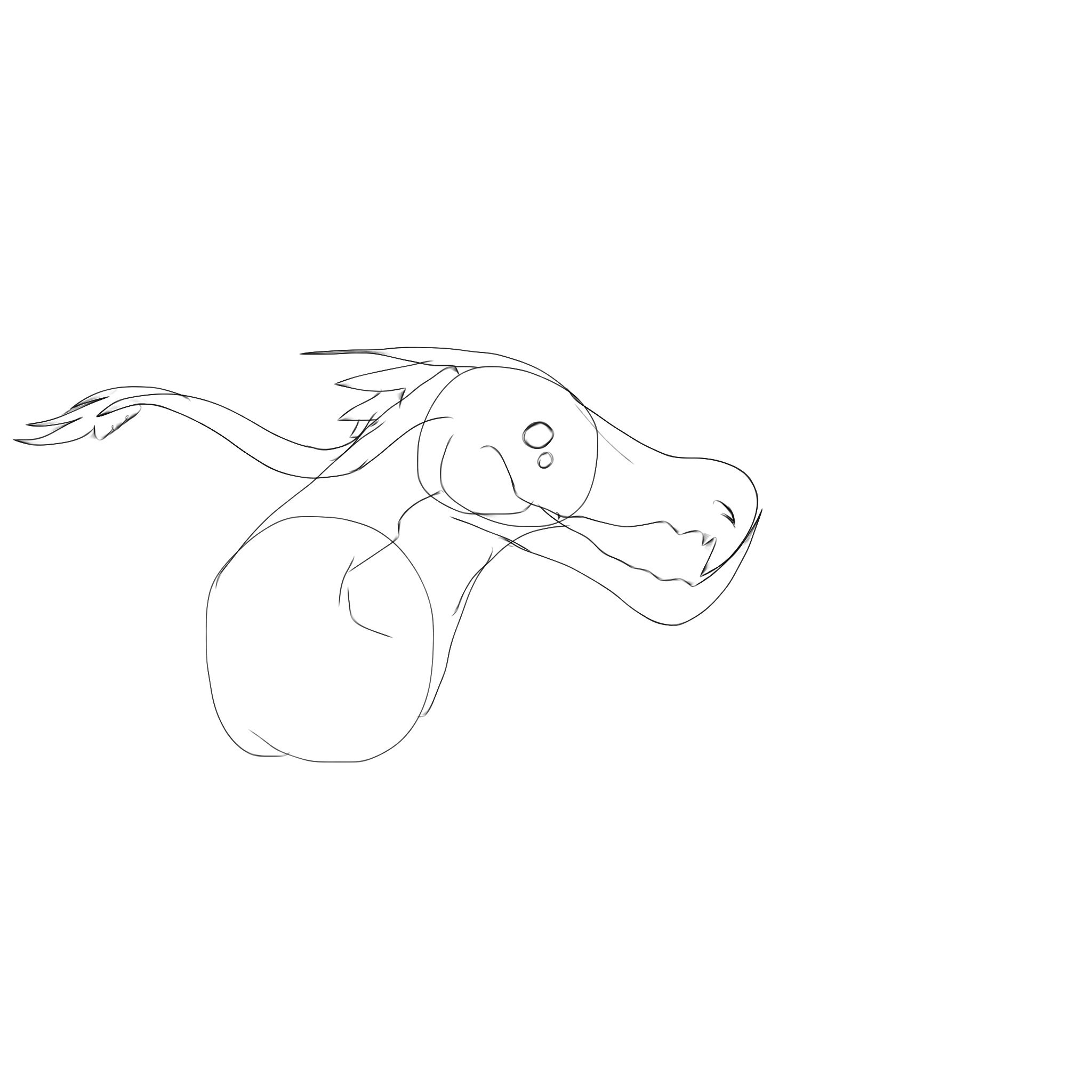
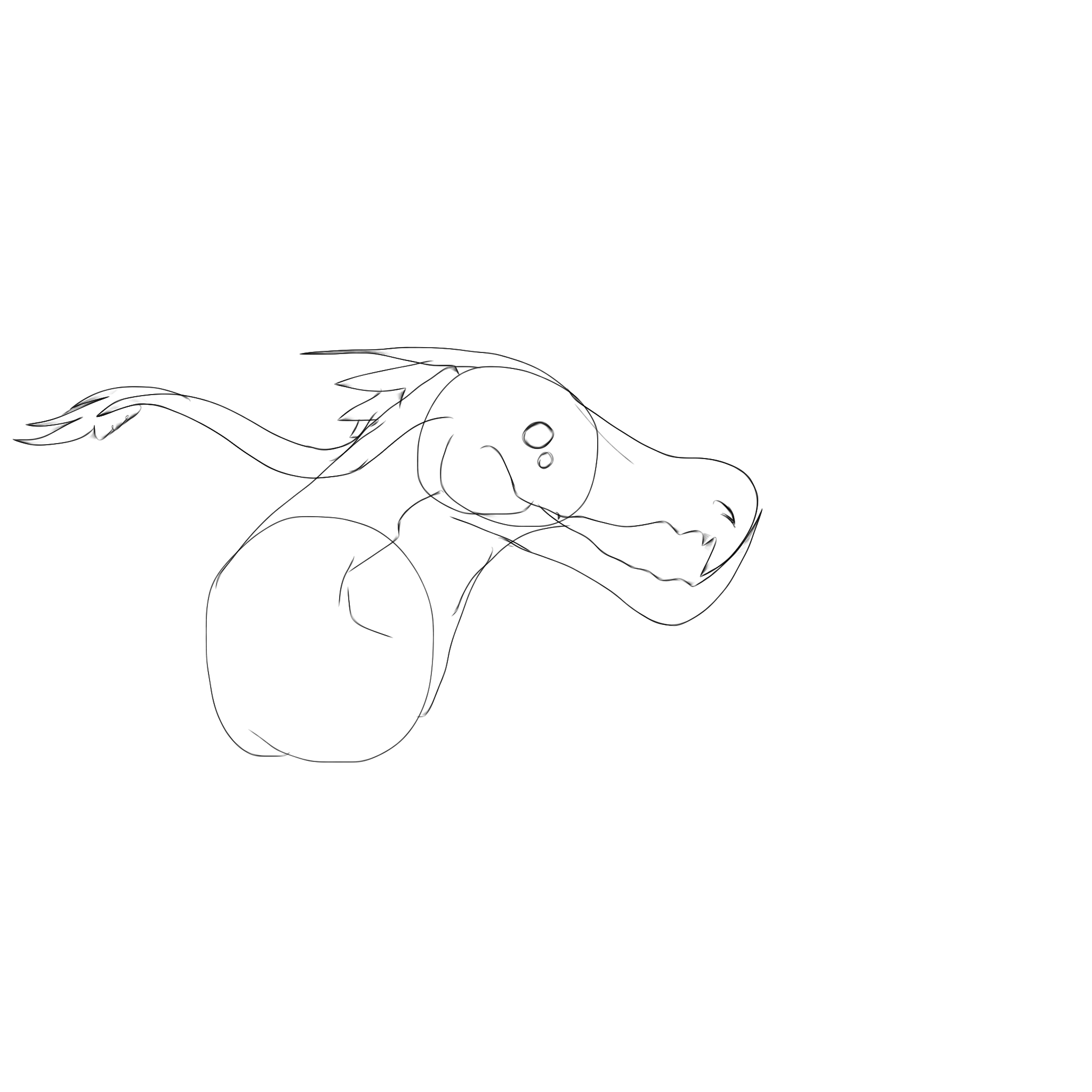
Known to be excellent trackers, Quesselatos are very lethal as well. Even the most domesticated one; it should be remembered that they were only recently domesticated. Still, they are valued due to their loyalty.
Hunting Creature/Mount
Looks
Smooth scales, but durable to elements such as fire or sharp projectiles.
Typically dark blues.
Panther like. Very lean, has a frame suited for running, but also to grapple the target to the ground and take them out (or whatever is ideal).
2.5-3.9 metres long on average. 70-120 cm at the shoulder, 90-310 kg in terms of weight.
Four eyes (two on each side of head) beak like mouth but filled with retractable, black sharp teeth, mouth can extend in a manner similar to that of a snake (but this is painful, so they rarely do this), a long tail ending in a bulb that can open up to reveal a sharp spike. Two long tendrils extending from the head with fur on the end. Three forked tongues.
Traits
100-120 km/h
Typically hunted for the bulb on its tail, which can be cooked and eaten, has a very bitter taste.
Bulb also has a poison that is used in crafting.
Scales can be used for making armours or grafts for healing.
Eyeballs are rumoured to have healing properties.
Tongues can be used for baits in fishing or hunting. Can be also used as a topping in certain dishes as they contain a juice that when cooked comes out.
Generally high pitched or lowish sounds. Can be heard from a while away. Described as breathing, sometimes a ‘scream’ that is known to hurt the ears of anyone in range.
Using their stealth or speed. Usually the poison in their tail works as a threat, or spitting. Their saliva is somewhat acidic, burning exposed skin (but typically not eating away)
Grappling and holding down the target, inject them with tail poison.
Or scream in their face.
Usually stealthy, will use stealth based attacks until forced to confront.
Typically uses claw, but can forcefully extend its jaws to bite the target and sink the teeth into the skin. The teeth stay in the skin of the target and grow back within minutes.
While labelled as aggressive in the olden days (even then, they still are) this was due to how little we knew about them. Yes, they’re fairly aggressive, but they prefer staying away from people.
Domesticated ones can vary.
Habitat
Forests. Thick forests with tall grass, a balanced temperature leaning towards the cold side.
Typically scavengers so will feed on carcass left by others. Will eat the young of other species, and if desperate will attack villages. Can eat leaves (only a little bit)
Comparisons
By some tribes, they are seen as the ‘cleanser’, something that visits each village once per month, and sees how each village is doing. They take away those who are doing no good. This is not true, of course, but it is told to children by adults so that they are good.
Overview
Details about this creature's overview
Quesselatos
Known to be excellent trackers, Quesselatos are very lethal as well. Even the most domesticated one; it should be remembered that they were only recently domesticated. Still, they are valued due to their loyalty.
Hunting Creature/Mount
Looks
Details about this creature's looks
Smooth scales, but durable to elements such as fire or sharp projectiles.
Typically dark blues.
Panther like. Very lean, has a frame suited for running, but also to grapple the target to the ground and take them out (or whatever is ideal).
2.5-3.9 metres long on average. 70-120 cm at the shoulder, 90-310 kg in terms of weight.
Four eyes (two on each side of head) beak like mouth but filled with retractable, black sharp teeth, mouth can extend in a manner similar to that of a snake (but this is painful, so they rarely do this), a long tail ending in a bulb that can open up to reveal a sharp spike. Two long tendrils extending from the head with fur on the end. Three forked tongues.
Traits
Details about this creature's traits
100-120 km/h
Typically hunted for the bulb on its tail, which can be cooked and eaten, has a very bitter taste.
Bulb also has a poison that is used in crafting.
Scales can be used for making armours or grafts for healing.
Eyeballs are rumoured to have healing properties.
Tongues can be used for baits in fishing or hunting. Can be also used as a topping in certain dishes as they contain a juice that when cooked comes out.
Generally high pitched or lowish sounds. Can be heard from a while away. Described as breathing, sometimes a ‘scream’ that is known to hurt the ears of anyone in range.
Using their stealth or speed. Usually the poison in their tail works as a threat, or spitting. Their saliva is somewhat acidic, burning exposed skin (but typically not eating away)
Grappling and holding down the target, inject them with tail poison.
Or scream in their face.
Usually stealthy, will use stealth based attacks until forced to confront.
Typically uses claw, but can forcefully extend its jaws to bite the target and sink the teeth into the skin. The teeth stay in the skin of the target and grow back within minutes.
While labelled as aggressive in the olden days (even then, they still are) this was due to how little we knew about them. Yes, they’re fairly aggressive, but they prefer staying away from people.
Domesticated ones can vary.
Habitat
Details about this creature's habitat
Forests. Thick forests with tall grass, a balanced temperature leaning towards the cold side.
Typically scavengers so will feed on carcass left by others. Will eat the young of other species, and if desperate will attack villages. Can eat leaves (only a little bit)
Comparisons
Details about this creature's comparisons
By some tribes, they are seen as the ‘cleanser’, something that visits each village once per month, and sees how each village is doing. They take away those who are doing no good. This is not true, of course, but it is told to children by adults so that they are good.
Classification
Details about this creature's classification
No classification information yet
This section doesn't have any information filled in yet.
Changelog
Details about this creature's changelog
No changelog information yet
This section doesn't have any information filled in yet.
Notes
Details about this creature's notes
No notes information yet
This section doesn't have any information filled in yet.
evolution
Details about this creature's evolution
No evolution information yet
This section doesn't have any information filled in yet.
Reproduction
Details about this creature's reproduction
No reproduction information yet
This section doesn't have any information filled in yet.
Gallery
Images and visual content for this creature
Associations
Other pages that reference or connect to this creature
No connections yet
Start building your world by linking this creature to other pages
Collections
Published collections that feature this creature
Not in any collections yet
This creature hasn't been published in any collections yet. Collections are curated groups of related content that help organize and showcase your world.
Tip: Collections are a great way to group related content together and share themed stories or worldbuilding elements with others.
Timelines
Timelines that reference or include this creature
No timeline connections yet
This creature isn't connected to any timelines yet. Timelines help organize events chronologically and show how your content fits into the broader history of your world.
Tip: Create timelines to organize important events in your world's history. Link characters, locations, and other content to specific events to build rich, interconnected narratives.
Shares
Discussion about this creature
No shares yet
Be the first to start a discussion about this creature by sharing it to the community stream.
Privacy & Sharing
Manage who can see and access this creature
Current Status
refresh
This creature is currently
Privacy Settings
Choose who can see and access this creature
language Universe Privacy
This page belongs to a universe with its own privacy settings