
Categories
Dive Deeper
Page Stats
Navigation
Categories
Dive Deeper
Page Stats
Complete Details
All information about this creature
Overview
Rumbler
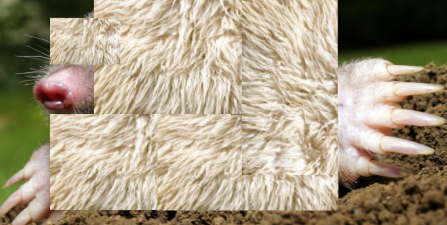
Rumblers are a constant across Ciebos as they crawl throughout the ground making the rubble rumble, of which their name came from. The drastic change in temperature makes them a fierce species as they have to endure the temperature. They have a striking resemblance to moles with a thick like sheep kind of fur. However, they grow out their fur on a hot day so that way they can keep cool.
Mammal
Looks
Their fur, originally white, is stained by the rock grey dust that they crawl around in. Their skin is a light brown.
They are like a short cylinder with feet just like regular Earth moles
As small as an Earth mole
6-10 inches (counting their fur)
4-6 inches (not counting their fur)
The average mole tends to weigh .20-.40 pounds plus an extra pound if you add their fur.
Their dusty, soiled fur.
They were not known to have fur until a couple generations in.
Skin and fur.
Traits
The average rumbler will only display aggressiveness if they feel cornered and nothing else can be done.
They use their sharp claws to scratch their enemies.
They burrow and dig under and around their attacker until they dig to a safe place.
Moles can dig at a rate of 12 feet per hour due to their thick fur slowing them down.
Digging/scratching
Easy to kill with a simple knife and some good running shoes.
Rumbler make a muffled kind of high pitched squeak.
Their fur is good for making wool like clothes. Their body provides a sort of sour taste when eaten.
N/A
Hearing because they need to hear their attackers above them to know where to dig.
Sight because their fur often goes over their eyes.
Habitat
Anywhere around Ciebos is good for rumbler territory as long as they have some rocks to dig a burrow.
The rumblers feed off of a type of edible ore. The ore is dubbed rumblite due to the amount of accounts of witnesses spotting rumblers hoarding the ore.
Rumblers tend to burrow for longer periods of time during the colder extremes.
Rumblers do not herd. They only gather to mate.
The miners do not mind the rumblers scurrying about as rumblite is not the miners' main mining focus.
Although they are not actually hunting rumblers, manistones are known to accidentally squish them.
Rumblers do not have prey.
Comparisons
Moles and sheep.
It's the world wide animal across Ciebos besides manistones.
Evolution
The original rumbler born from a mole and a sheep was born with little fur. As they bred more and more rumblers started to be born and grow up with more and more fur.
Rumblers have a natural passion to mate and eat. They have babies, teach them how to find rumblite, and simply age until they die.
Rumblers are not important what so ever. Which is why they roam freely across the planet.
Rumblers are at a good state until the rumblite runs out. They might learn to eat their own kind if this happens.
Reproduction
Rumblers can reproduce whenever they like.
Rumblers don't care as long as the breeding results in a child.
They like to burrow and mate underground.
Around 7 times across their lifespan.
Rumblers like to teach their young how to find food before they leave them for themselves.
It digs a burrow for them.
There are really no competition so about 95% of rumblers will make it to adulthood.
Classification
Technically, there is no classification or ranking system.
Mammal
They are all the same
Overview
Details about this creature's overview
Rumbler
Rumblers are a constant across Ciebos as they crawl throughout the ground making the rubble rumble, of which their name came from. The drastic change in temperature makes them a fierce species as they have to endure the temperature. They have a striking resemblance to moles with a thick like sheep kind of fur. However, they grow out their fur on a hot day so that way they can keep cool.
Mammal
Looks
Details about this creature's looks
Their fur, originally white, is stained by the rock grey dust that they crawl around in. Their skin is a light brown.
They are like a short cylinder with feet just like regular Earth moles
As small as an Earth mole
6-10 inches (counting their fur)
4-6 inches (not counting their fur)
The average mole tends to weigh .20-.40 pounds plus an extra pound if you add their fur.
Their dusty, soiled fur.
They were not known to have fur until a couple generations in.
Skin and fur.
Traits
Details about this creature's traits
The average rumbler will only display aggressiveness if they feel cornered and nothing else can be done.
They use their sharp claws to scratch their enemies.
They burrow and dig under and around their attacker until they dig to a safe place.
Moles can dig at a rate of 12 feet per hour due to their thick fur slowing them down.
Digging/scratching
Easy to kill with a simple knife and some good running shoes.
Rumbler make a muffled kind of high pitched squeak.
Their fur is good for making wool like clothes. Their body provides a sort of sour taste when eaten.
N/A
Hearing because they need to hear their attackers above them to know where to dig.
Sight because their fur often goes over their eyes.
Habitat
Details about this creature's habitat
Anywhere around Ciebos is good for rumbler territory as long as they have some rocks to dig a burrow.
The rumblers feed off of a type of edible ore. The ore is dubbed rumblite due to the amount of accounts of witnesses spotting rumblers hoarding the ore.
Rumblers tend to burrow for longer periods of time during the colder extremes.
Rumblers do not herd. They only gather to mate.
The miners do not mind the rumblers scurrying about as rumblite is not the miners' main mining focus.
Although they are not actually hunting rumblers, manistones are known to accidentally squish them.
Rumblers do not have prey.
Comparisons
Details about this creature's comparisons
Moles and sheep.
It's the world wide animal across Ciebos besides manistones.
Evolution
Details about this creature's evolution
The original rumbler born from a mole and a sheep was born with little fur. As they bred more and more rumblers started to be born and grow up with more and more fur.
Rumblers have a natural passion to mate and eat. They have babies, teach them how to find rumblite, and simply age until they die.
Rumblers are not important what so ever. Which is why they roam freely across the planet.
Rumblers are at a good state until the rumblite runs out. They might learn to eat their own kind if this happens.
Reproduction
Details about this creature's reproduction
Rumblers can reproduce whenever they like.
Rumblers don't care as long as the breeding results in a child.
They like to burrow and mate underground.
Around 7 times across their lifespan.
Rumblers like to teach their young how to find food before they leave them for themselves.
It digs a burrow for them.
There are really no competition so about 95% of rumblers will make it to adulthood.
Classification
Details about this creature's classification
Technically, there is no classification or ranking system.
Mammal
They are all the same
Notes
Details about this creature's notes
No notes information yet
This section doesn't have any information filled in yet.
Gallery
Images and visual content for this creature
Associations
Other pages that reference or connect to this creature
Referenced By
2Collections
Published collections that feature this creature
Not in any collections yet
This creature hasn't been published in any collections yet. Collections are curated groups of related content that help organize and showcase your world.
Tip: Collections are a great way to group related content together and share themed stories or worldbuilding elements with others.
Timelines
Timelines that reference or include this creature
No timeline connections yet
This creature isn't connected to any timelines yet. Timelines help organize events chronologically and show how your content fits into the broader history of your world.
Tip: Create timelines to organize important events in your world's history. Link characters, locations, and other content to specific events to build rich, interconnected narratives.
Shares
Discussion about this creature
No shares yet
Be the first to start a discussion about this creature by sharing it to the community stream.
Privacy & Sharing
Manage who can see and access this creature
Current Status
refresh
This creature is currently
Privacy Settings
Choose who can see and access this creature
language Universe Privacy
This page belongs to a universe with its own privacy settings