Categories
Dive Deeper
Page Stats
Navigation
Categories
Dive Deeper
Page Stats
Complete Details
All information about this flora
Overview
Vai
Hardy plant with leaves both edible and suitable for dyeing.
Ajharakt blue (as a dye)
Blue amaranth (as a dye/ornamental)
Star collard - Gäldoren folk etymology (as if from vae "star") of Saras vai (the name of the plant)
Blue collard (as a vegetable)
Classification
Amaranthaceae
Caryophyllales
Amaranthus
Appearance
Musty and slightly peppery
Height - 100 cm
Diameter - 30 cm
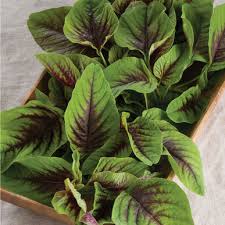
Leaves - dark blue-green veined with purple
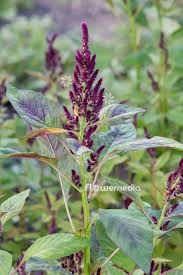
Flowers - indigo to dark pink
Uncooked - very peppery and bitter
Cooked - slightly peppery and bitter, like broccoli leaves
Produce
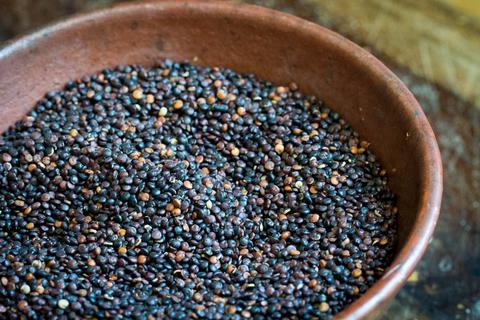
Tiny, hard black seeds (like poppy seed)
Small, inedible red berries
Dyeing
Vai leaves are used in creating a deep, vibrant blue dye that bonds well to various natural fabrics. This dye (or fabric dyed with it) is known as Ajharakt Blue.
Food
The leaves, stems and fresh flowers are all consumed by the people of Ajharakt as it is a common plant (though not all plants are ideal to be used in dyeing).
A side effect is that the blue in the leaves builds up in the keratin in the hair and nails of those that consume it, so those who have eaten vai over an extended period of time will have a vibrant blue cast to their hair.
ecosystem
While vai can be grown year-round, it tends to sprout in late spring, flowers during summer and sheds its seeds throughout the autumn season.
Vai is pollinated by bees and other insects. Its tapering flower heads contain small black seeds and, when dead and dry, drop from the plant and break apart. The flower head is light enough to be carried further from the parent plant by the wind.
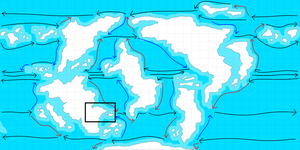
Vai is a common leafy green eaten in Ajharakt.
Overview
Details about this flora's overview
Vai
Hardy plant with leaves both edible and suitable for dyeing.
Ajharakt blue (as a dye)
Blue amaranth (as a dye/ornamental)
Star collard - Gäldoren folk etymology (as if from vae "star") of Saras vai (the name of the plant)
Blue collard (as a vegetable)
Classification
Details about this flora's classification
Amaranthaceae
Caryophyllales
Amaranthus
Appearance
Details about this flora's appearance
Musty and slightly peppery
Height - 100 cm
Diameter - 30 cm
Leaves - dark blue-green veined with purple
Flowers - indigo to dark pink
Uncooked - very peppery and bitter
Cooked - slightly peppery and bitter, like broccoli leaves
Produce
Details about this flora's produce
Tiny, hard black seeds (like poppy seed)
Small, inedible red berries
Dyeing
Vai leaves are used in creating a deep, vibrant blue dye that bonds well to various natural fabrics. This dye (or fabric dyed with it) is known as Ajharakt Blue.
Food
The leaves, stems and fresh flowers are all consumed by the people of Ajharakt as it is a common plant (though not all plants are ideal to be used in dyeing).
A side effect is that the blue in the leaves builds up in the keratin in the hair and nails of those that consume it, so those who have eaten vai over an extended period of time will have a vibrant blue cast to their hair.
ecosystem
Details about this flora's ecosystem
While vai can be grown year-round, it tends to sprout in late spring, flowers during summer and sheds its seeds throughout the autumn season.
Vai is pollinated by bees and other insects. Its tapering flower heads contain small black seeds and, when dead and dry, drop from the plant and break apart. The flower head is light enough to be carried further from the parent plant by the wind.
Vai is a common leafy green eaten in Ajharakt.
Changelog
Details about this flora's changelog
No changelog information yet
This section doesn't have any information filled in yet.
Notes
Details about this flora's notes
No notes information yet
This section doesn't have any information filled in yet.
Gallery
Images and visual content for this flora
Associations
Other pages that reference or connect to this flora
No connections yet
Start building your world by linking this flora to other pages
Collections
Published collections that feature this flora
Not in any collections yet
This flora hasn't been published in any collections yet. Collections are curated groups of related content that help organize and showcase your world.
Tip: Collections are a great way to group related content together and share themed stories or worldbuilding elements with others.
Timelines
Timelines that reference or include this flora
No timeline connections yet
This flora isn't connected to any timelines yet. Timelines help organize events chronologically and show how your content fits into the broader history of your world.
Tip: Create timelines to organize important events in your world's history. Link characters, locations, and other content to specific events to build rich, interconnected narratives.
Shares
Discussion about this flora
No shares yet
Be the first to start a discussion about this flora by sharing it to the community stream.
Privacy & Sharing
Manage who can see and access this flora
Current Status
refresh
This flora is currently
Privacy Settings
Choose who can see and access this flora
language Universe Privacy
This page belongs to a universe with its own privacy settings