
Categories
Dive Deeper
Page Stats
Navigation
Categories
Dive Deeper
Page Stats
Complete Details
All information about this magic
Overview
Talisman Magic
Magical capabilities possessed by each fae that they can only access if they are touching their talisman.
This magic consists of a variety of spells that can be learned by the fae magic user. Most often, a trigger word, or incantation, must be spoken aloud in order to complete a spell. However, fae can be trained to use their talisman magic without speaking, although this is more difficult and unpredictable.
Appearance
The visual effects of talisman magic take many different forms, depending on the incantation the user invoked. For instance, if a magic user were to say "Lumin" a ball of light would emerge from the talisman, but if they were to say "Solvi" the only visual effect would be a lock becoming undone.
Effects
The effects of Talisman magic are not inherently positive or negative; they depend on the user. For example, a fae could use 'solvi' to unlock a door for someone in need or steal something.
Requirements
Using Talisman Magic requires concentration. When a fae first begins learning Talisman Magic, the spells are much harder to perform and can require immense concentration. When fae are first learning a new spell, it also requires more concentration than when they are performing a spell they are familiar with. Spells that are done without saying the incantation out loud require the most concentration to execute, so only very experienced or talented fae can do it.
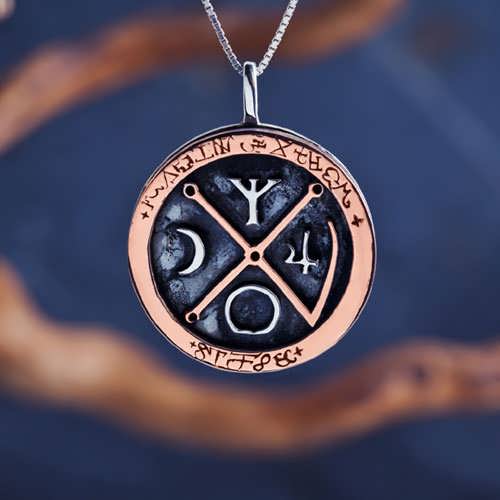
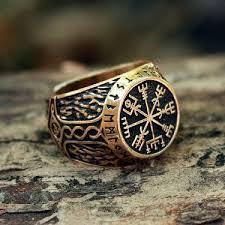
A fae cannot access their Talisman Magic unless their talisman is making contact with their skin. A fae receives their talisman shortly after they are born. These talismans are made by so-called "Fictori", who are trained from a young age about how to create one. Each fae can only have one talisman, so if they lose theirs, they cannot have another made. However, there are fae who make a business out of finding talismans others have lost. A talisman can be any non-living item, but is most often a piece of jewelry a fae can wear, such as a necklace, ring, or earring. Occasionally a talisman is a figurine, although these are not common as they are easily lost.
In order to perform a specific spell, fae must be familiar with its incantation. If a fae does not know the incantation, they cannot perform the spell. Fae also must know how to tap into their talisman magic. Many would describe what they feel/do when accessing their talisman magic as brushing their consciousness against a thread that exists between them and their talisman. As a result of this, many fae reach for their talisman as they access their magic.
Talisman Magic is limited by a fae's knowledge of incantations and their level of/ability to concentrate. Talisman Magic is more rigid and less diverse than a fae's natural ability. Talisman Magic cannot create life (which also means that it can't bring the dead back to life), and it cannot create matter (meaning it can't create something out of nothing). Talisman magic is also weaker than a fae's natural ability. This means that it cannot override or undo any magic done with a natural ability.
While a fae's talisman is made for them at birth, a fae does not receive their talisman until they reach seven years of age. Until that time, the talisman is kept in a specially made box and not opened until the fae child is presented it on their seventh birthday. After they receive their talisman, a fae undergoes training with an Incantation Professor of the family's choosing. This is usually one-on-one, and progresses from simple spells to difficult spells as the fae ages. Normally, a fae and their Incantation Professor meet twice a week to go over new spells and review old ones. Between meetings, fae are expected to practice in order to achieve some level of mastery and control over their magic. Once a fae manifests a natural ability, they are given the option of continuing their education in talisman magic along with their training in their ability, or give up talisman magic and focus solely on their ability. Many choose the latter.
Culture
Early in recorded Consectan history, several fae decided to try find a way to tap into the magic they knew existed inside of them before a fae manifests their natural ability. Through long years of experiments and failures, they came up with a way to bind a fae's magic to an object, allowing them to access it as long as they were touching that object. The only problem was that, whenever one of their subjects used their magic with the talisman, they wouldn't be able to control it and there would be an explosion of magic with disastrous effects. They were about to give up on the project when one young fae had the idea of using words in their language-which has come to be known as 'the Shared Language' because of its connections to humans' Latin- to control the magic. His idea worked, although only with specific words. The reason for why the some words work and others don't is still unknown to present Consectans, although some fae do study why that is.
Consectans view Talisman Magic as common and kind of trivial. They do use it in their daily lives, often to try to make things easier, but it is most often seen as more of a party trick. If a fae can do a spell that requires a lot of concentration, it earns them respect, so they tend to show off with their Talisman Magic a lot.
Levians do not believe in the common use of Talisman Magic; that is more of a Consectan view. Levians know of Talisman Magic, but the only talismans they use are the four that correspond to the seasons. While capable of Talisman Magic, Levians do not use it and do not forge talismans.
Consectan fae use their talisman magic primarily before they get their natural ability (which happens after/late in puberty). Young fae love playing tricks on each other with their talisman magic, or just playing with it. As fae mature, they tend to focus more on their natural ability. They do still use it some, such as if they lock themselves out of their house, but it mostly becomes a forgotten skill. However, there are some fae, often those with weaker natural abilities or who don't like their natural ability, who dedicate their entire lives to mastering their talisman magic. These fae also study talisman magic and try to discover new spells or new applications for already existing spells.
Fictori: These fae create talismans through a process involving masterful craftsmanship, an understanding of other fae, and a combination of natural abilities and talisman magic that requires high levels of concentration.
Incantation Professors: When a fae receives their talisman, these fae are called into train them.
Talismanic Sciscitatores: Fae who dedicate their lives to the study of talismans and talisman magic. Often called Scisies (Scih-zees) by other fae.
While a fae's talisman is made for them at birth, a fae does not receive their talisman until they reach seven years of age. Until that time, the talisman is kept in a specially made box and not opened until the fae child is presented it on their seventh birthday. After they receive their talisman, a fae undergoes training with an Incantation Professor of the family's choosing. This is usually one-on-one, and progresses from simple spells to difficult spells as the fae ages. Normally, a fae and their Incantation Professor meet twice a week to go over new spells and review old ones. Between meetings, fae are expected to practice in order to achieve some level of mastery and control over their magic. Once a fae manifests a natural ability, they are given the option of continuing their education in talisman magic along with their training in their ability, or give up talisman magic and focus solely on their ability. Many choose the latter.
Notes
Spells:
Solvi: used to unlock/unseal any doors that have not been locked/sealed with a natural ability.
Cinno: used to lock/seal any doors that have not been permanently unlocked with a natural ability.
Lumin: causes a ball of light to emerge from a fae's talisman
Excae: extinguishes said ball of light
Amplio: amplifies a fae's sense of hearing and sight
Redigo: returns a fae's sense of hearing and sight to their normal levels
Ferva: used to heat something external (for example, food), does not heat the magic user.
Deferva: used to cool something external
Calida: used to heat the magic user, not something external.
Frigi: used to cool the magic user, not something external
Roboro: strengthens an external object (non-living)
Labefio: weakens an external object (non-living)
Overview
Details about this magic's overview
Talisman Magic
Magical capabilities possessed by each fae that they can only access if they are touching their talisman.
This magic consists of a variety of spells that can be learned by the fae magic user. Most often, a trigger word, or incantation, must be spoken aloud in order to complete a spell. However, fae can be trained to use their talisman magic without speaking, although this is more difficult and unpredictable.
Appearance
Details about this magic's appearance
The visual effects of talisman magic take many different forms, depending on the incantation the user invoked. For instance, if a magic user were to say "Lumin" a ball of light would emerge from the talisman, but if they were to say "Solvi" the only visual effect would be a lock becoming undone.
Effects
Details about this magic's effects
The effects of Talisman magic are not inherently positive or negative; they depend on the user. For example, a fae could use 'solvi' to unlock a door for someone in need or steal something.
Alignment
Details about this magic's alignment
No alignment information yet
This section doesn't have any information filled in yet.
Requirements
Details about this magic's requirements
Using Talisman Magic requires concentration. When a fae first begins learning Talisman Magic, the spells are much harder to perform and can require immense concentration. When fae are first learning a new spell, it also requires more concentration than when they are performing a spell they are familiar with. Spells that are done without saying the incantation out loud require the most concentration to execute, so only very experienced or talented fae can do it.
A fae cannot access their Talisman Magic unless their talisman is making contact with their skin. A fae receives their talisman shortly after they are born. These talismans are made by so-called "Fictori", who are trained from a young age about how to create one. Each fae can only have one talisman, so if they lose theirs, they cannot have another made. However, there are fae who make a business out of finding talismans others have lost. A talisman can be any non-living item, but is most often a piece of jewelry a fae can wear, such as a necklace, ring, or earring. Occasionally a talisman is a figurine, although these are not common as they are easily lost.
In order to perform a specific spell, fae must be familiar with its incantation. If a fae does not know the incantation, they cannot perform the spell. Fae also must know how to tap into their talisman magic. Many would describe what they feel/do when accessing their talisman magic as brushing their consciousness against a thread that exists between them and their talisman. As a result of this, many fae reach for their talisman as they access their magic.
Talisman Magic is limited by a fae's knowledge of incantations and their level of/ability to concentrate. Talisman Magic is more rigid and less diverse than a fae's natural ability. Talisman Magic cannot create life (which also means that it can't bring the dead back to life), and it cannot create matter (meaning it can't create something out of nothing). Talisman magic is also weaker than a fae's natural ability. This means that it cannot override or undo any magic done with a natural ability.
While a fae's talisman is made for them at birth, a fae does not receive their talisman until they reach seven years of age. Until that time, the talisman is kept in a specially made box and not opened until the fae child is presented it on their seventh birthday. After they receive their talisman, a fae undergoes training with an Incantation Professor of the family's choosing. This is usually one-on-one, and progresses from simple spells to difficult spells as the fae ages. Normally, a fae and their Incantation Professor meet twice a week to go over new spells and review old ones. Between meetings, fae are expected to practice in order to achieve some level of mastery and control over their magic. Once a fae manifests a natural ability, they are given the option of continuing their education in talisman magic along with their training in their ability, or give up talisman magic and focus solely on their ability. Many choose the latter.
Culture
Details about this magic's culture
Early in recorded Consectan history, several fae decided to try find a way to tap into the magic they knew existed inside of them before a fae manifests their natural ability. Through long years of experiments and failures, they came up with a way to bind a fae's magic to an object, allowing them to access it as long as they were touching that object. The only problem was that, whenever one of their subjects used their magic with the talisman, they wouldn't be able to control it and there would be an explosion of magic with disastrous effects. They were about to give up on the project when one young fae had the idea of using words in their language-which has come to be known as 'the Shared Language' because of its connections to humans' Latin- to control the magic. His idea worked, although only with specific words. The reason for why the some words work and others don't is still unknown to present Consectans, although some fae do study why that is.
Consectans view Talisman Magic as common and kind of trivial. They do use it in their daily lives, often to try to make things easier, but it is most often seen as more of a party trick. If a fae can do a spell that requires a lot of concentration, it earns them respect, so they tend to show off with their Talisman Magic a lot.
Levians do not believe in the common use of Talisman Magic; that is more of a Consectan view. Levians know of Talisman Magic, but the only talismans they use are the four that correspond to the seasons. While capable of Talisman Magic, Levians do not use it and do not forge talismans.
Consectan fae use their talisman magic primarily before they get their natural ability (which happens after/late in puberty). Young fae love playing tricks on each other with their talisman magic, or just playing with it. As fae mature, they tend to focus more on their natural ability. They do still use it some, such as if they lock themselves out of their house, but it mostly becomes a forgotten skill. However, there are some fae, often those with weaker natural abilities or who don't like their natural ability, who dedicate their entire lives to mastering their talisman magic. These fae also study talisman magic and try to discover new spells or new applications for already existing spells.
Fictori: These fae create talismans through a process involving masterful craftsmanship, an understanding of other fae, and a combination of natural abilities and talisman magic that requires high levels of concentration.
Incantation Professors: When a fae receives their talisman, these fae are called into train them.
Talismanic Sciscitatores: Fae who dedicate their lives to the study of talismans and talisman magic. Often called Scisies (Scih-zees) by other fae.
While a fae's talisman is made for them at birth, a fae does not receive their talisman until they reach seven years of age. Until that time, the talisman is kept in a specially made box and not opened until the fae child is presented it on their seventh birthday. After they receive their talisman, a fae undergoes training with an Incantation Professor of the family's choosing. This is usually one-on-one, and progresses from simple spells to difficult spells as the fae ages. Normally, a fae and their Incantation Professor meet twice a week to go over new spells and review old ones. Between meetings, fae are expected to practice in order to achieve some level of mastery and control over their magic. Once a fae manifests a natural ability, they are given the option of continuing their education in talisman magic along with their training in their ability, or give up talisman magic and focus solely on their ability. Many choose the latter.
Notes
Details about this magic's notes
Spells:
Solvi: used to unlock/unseal any doors that have not been locked/sealed with a natural ability.
Cinno: used to lock/seal any doors that have not been permanently unlocked with a natural ability.
Lumin: causes a ball of light to emerge from a fae's talisman
Excae: extinguishes said ball of light
Amplio: amplifies a fae's sense of hearing and sight
Redigo: returns a fae's sense of hearing and sight to their normal levels
Ferva: used to heat something external (for example, food), does not heat the magic user.
Deferva: used to cool something external
Calida: used to heat the magic user, not something external.
Frigi: used to cool the magic user, not something external
Roboro: strengthens an external object (non-living)
Labefio: weakens an external object (non-living)
Gallery
Images and visual content for this magic
Associations
Other pages that reference or connect to this magic
Referenced By
1Collections
Published collections that feature this magic
Not in any collections yet
This magic hasn't been published in any collections yet. Collections are curated groups of related content that help organize and showcase your world.
Tip: Collections are a great way to group related content together and share themed stories or worldbuilding elements with others.
Timelines
Timelines that reference or include this magic
No timeline connections yet
This magic isn't connected to any timelines yet. Timelines help organize events chronologically and show how your content fits into the broader history of your world.
Tip: Create timelines to organize important events in your world's history. Link characters, locations, and other content to specific events to build rich, interconnected narratives.
Shares
Discussion about this magic
No shares yet
Be the first to start a discussion about this magic by sharing it to the community stream.
Privacy & Sharing
Manage who can see and access this magic
Current Status
refresh
This magic is currently
Privacy Settings
Choose who can see and access this magic
language Universe Privacy
This page belongs to a universe with its own privacy settings