Categories
Dive Deeper
Page Stats
Navigation
Categories
Dive Deeper
Page Stats
Complete Details
All information about this country
Overview
Points of interest
Culture
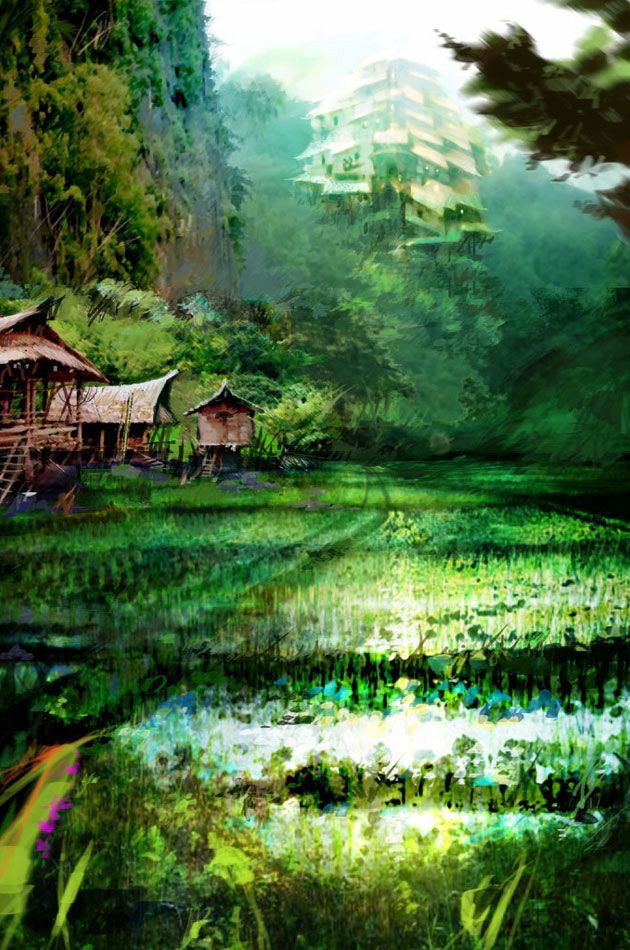
Gorias was blessed with rich land making it arguably one of the most well inhabited of the four kingdoms. Gorias' population is spread out in the most beneficial manner to both manage/govern the people while utilizing the bounty of the land. The dense population of people that inhabit Gorias is on par with the labor needed to manage the land. Some could even argue it teeters on the line of over-population. Besides small farming towns scattered throughout the country, the large swaths of fully utilized farmland throughout push the dense population into tightly packed cities.
There is a stark difference in the lives and realities of Gorias residents based on their social class. Power affords the luxury of space, so while the farmers and laborers are often packed tightly into small, towering housing units the wealthy enjoy sprawling, extravagant mansions. Food is never a concern, even for the poorest of the poor, though the same can not be said about personal space, autonomy, and education.
While the King of Gorias is an active presence in the country, much of the day to day business of governance is delegated to a coalition of upper class families. This collective plans and holds strict control of most facets of the country, including crop and livestock management. Earning favor with one of these families is critical if one wants to personally own property. Generally, those that own and manage farms exist somewhere in a middle class between the wealthier elites, and laborers.
The King presents a more benevolent facade to the people, occasionally choosing families to lift out of destitiution or throwing extravagant, weeks long festivals to celebrate their continued bounty. The King generally remains wildly popular amongst the people, even if approval of the council waxes and wanes.
The Church of Sol is the officially recognized religion of Gorias, and all noble families must at least publicly practice. One can find a Temple of Sol in every major city, and usually it is the town center, towering over other buildings and immaculately maintained. Pyre is also commonly worshipped throughout Gorias, though generally more amongst the laboring class, and he is not recognized in government sanctioned holidays or festivals. Strength, accountability, and virtuousness are common themes amongst both religions. Worship of other deities is not forbidden, but is looked down upon. Few are willing to do so publicly.
Traditional gender roles and expectations tend to be expressed more strongly in the upper class, where arranged marriages are common place and family is often seen as an extension of societal hierarchy. The lower class is much less strict about these values, as women and children are often working just as hard right along their male counterparts. Without much access to personal property or inheritance, marriage is widely regarded as an unnecessary extravagance. Child rearing is community based and relationships are usually passionate, but short lived affairs. There is little judgment of having children out of wedlock for the lower classes, or of different sexual orientations.
Physical health and fitness is widely regarded, across social backgrounds, as being the key to attractiveness. Modesty just isn't a thing in the harsh Gorias heat, so citizens of both classes tend to be outgoing and prideful with their bodies.
Both classes tend to enjoy more satirical art, typically depicting how terrible life in other Kingdoms is compared to their own. Otherwise, the culture heavily shifts with the King's interest and hobbies, so it can shift from theater, to performance art, to more. The King works had to include the lower classes in entertainment and celebratory activities.
A love of music is a common shared trait across the classes, typically more upbeat, faster tunes that one can dance too. You can't go a block in the slums without finding a stretch musician strumming away at a guitar, or beating on drums. Music tends to be one of the few creative pursuits allowed and encouraged for the lower class, and occasionally if they're lucky, it might even be enough to lift them out of poverty.
Educational opportunities are also decided heavily upon class boundaries. Those outside the wealthy upper class receive little to no formal education, instead reliant on personal guardians or extended family members to learn basic reading and writing skills, and whatever else they might have to teach until the child is old enough to join the world force. Education is highly valued and a point of pride and superiority amongst the elite.
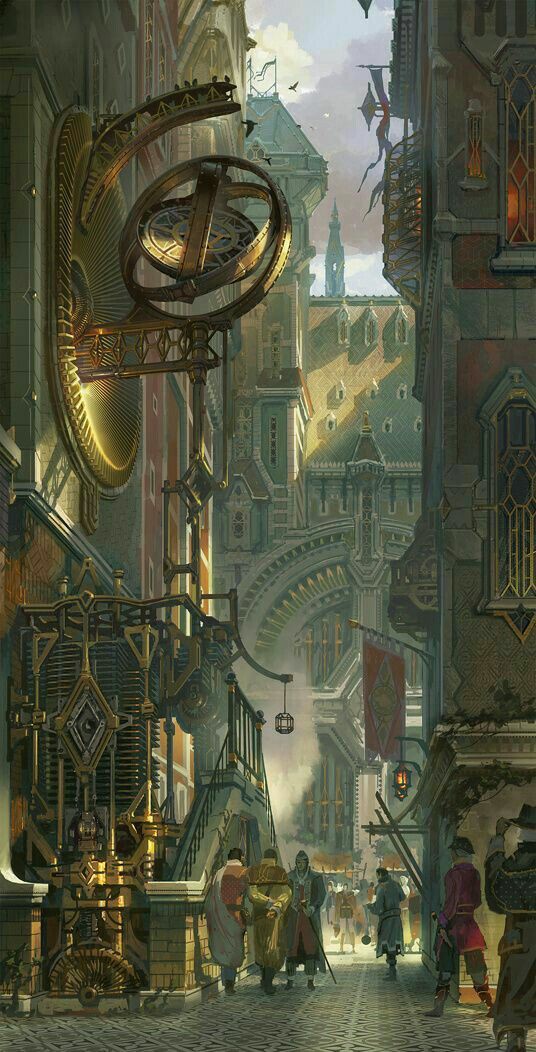
The center of major cities, the capital included, tends to include large, beautifully constructed mansions and temples, featuring a lot of glass architecture and beautifully constructed mosaics. The farther south one goes, the larger the sprawling sand courtyards become. Outside of the main city squares however, the architecture becomes more simple, generally large sprawling stone housing units filled with multiple one bedroom apartments for the laboring classes.
Sports is a huge part of Gorias' culture, particularly close to the coast where surfing and competitive swimming are year round events. The upper echelon council generally chose to sponsor individual athletes across various sports and make massive media spectacles of the competitions.
Geography
Gorias is the smallest of the four kingdoms, surrounded on three sides by neighboring countries. Because it has easy access to every other kingdom, exporting a big part of Gorias' economy.
Food is the biggest export of Gorias, though they also export certain spices and seasoning as well as certain plants and dyes for clothing.
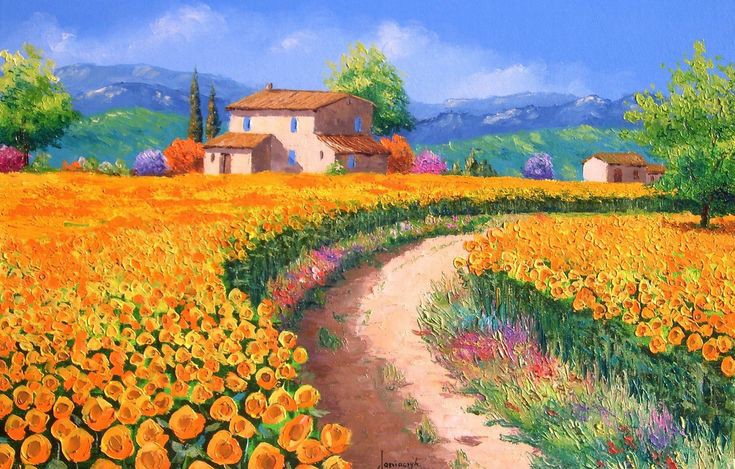
Gorias produces many rich crops that are difficult to find in the other kingdoms, such as tomatoes, corn, beans and peas, lettuce, onions, and more. Much of their stock is used to feed the other three kingdoms, both with the crops themselves and the livestock they sustain with it. Keeping their crops bountiful year round is a huge part of their culture.
Gorias weather in most of its regions is aggressively sunny and hot, with occasional light rainy seasons. Being close to the sea, the weather is never dry or humid.
In the upper regions where Gorias and Findius meet, Gorias has an area around the border that has some of the same unpredictable weather as Findius. It does not extend far past the border and is separated from the rest of Gorias by a thick woodland that is only traversed for exporting goods.
History
When the Summer tribes first traveled to Inspera their numbers were low and the morale amongst their people was almost nonexistent. Years of warfare and strife had almost decimated their population, leaving a deep seeded hatred for Winter and a pessimistic view of their peoples future. Until that point, they had been tribal people with no clear leader to give them direction.
One powerful Naga, Elocai, brought the tribes together and encouraged them to make the voyage. One family from each tribe was chosen as the de facto leaders of the group, all following the lead of the charismatic and visionary Elocai.
When the reached Inspera and found their seat of power, Elocai was the obvious choice to sit upon it, securing his reign. The tribal leaders were also elevated in society, with the head of their family encouraged to settle in the capital while their relatives were sent to establish other strongholds across the Kingdom. The social hierarchy was quickly established, as Elocai promised the people wealth and prosperity that they had never known. Having already established them a new, bountiful land, the people were wildly supportive of him. Their support of him only grew as crops began to prosper.
Their golden age of peace and growth only lasted so long, however. As they continued to expand their Kingdom they quickly met resistance in all directions; Murias, to the east, Falias, to the west, and harsh unforgiving terrain to the North. With a well trained military they were able to hold their borders, but didn't fare well when they wondered out of their territory.
Winter managed to sneak past them, establishing a kingdom to the North. Elocai was certain the Winter Kingdom would decimate them once more if given a chance, and began and active campaign to turn all of his people against their northern neighbors. When Murias and Gorias both failed in their attempt to crush Findius, Gorias proposed they end their own tensions and join together to hold their land. This is when exporting became a huge part of Gorias' economy, with Murias receiving the most favorable deals.
Recognizing the power that came from their alliance with Murias, Elocai's heir, King Ehkuss, set his sights on Falias as well, offering up one of their noblewoman to seal the peace agreement. When the woman, crowned Queen Dawn came back in exile, it seemed Falias would stay an enemy, just like Findius.
The country was wildly split as to whether to help Dawn and her daughter Cosmos reclaim Falias as their own, with half the nobles arguing for the arrangement, and half arguing against, including Ekhuss' own son, Prince Eiscerse. Hatred of the Winter people was well ingrained in their society, and trusting someone who had been hiding in Findius was a hard sell. The decision came down to Ehkuss himself, who helped install Cosmos back on the throne and imprisoned her brother back in Gorias. Shortly afterward, Ehkuss was assassinated. One noble house was blamed for the crime and destroyed completely. Eiscerse was named King in his place.
Eiscerse, the newly crowned Oak King, was another wildly popular ruler, following in his grandfather's footsteps in endearing himself to the commoners in particular. He had always remained distrustful of Falias' new leader, and secretly established a relationship with the imprisoned Nebula with the goal to re-establish his regime. Skeptical nobles had little room to fight against the decision, and Eicserce assured them he had control over the temperamental self.
With their Murias alliance still going strong, and Falias at least seemingly endeared to Eicserce himself, another age of peace settled in amongst the people. Fearing little from Findius now, Eicserce focused on growing their population and expanding slowly outward in agreed upon areas.
Eventually the plague would hit, starting in rural communities and moving inward. Eicserce's suspicion quickly fell to Findius, but as of yet he had no proof to blame them. When several noble families fell victim, however, he demanded his fellow rulers confront Findius at the Stone of Destiny. The Holly King refused to take responsibility for the plague, nor to fight to prove his innocence. Instead, he chose exile, leaving the Northern seat of power vacant and the continent as a whole in turmoil.
Ancient times
The most notable confrontation was when they tried to take Findius, which amassed the largest body count and period of strife in their Kingdoms history. While there have been other violent border skirmishes throughout their history, though, they have mostly focused on holding ground rather than taking it.
Overview
Details about this country's overview
Points of interest
Details about this country's points of interest
Culture
Details about this country's culture
Gorias was blessed with rich land making it arguably one of the most well inhabited of the four kingdoms. Gorias' population is spread out in the most beneficial manner to both manage/govern the people while utilizing the bounty of the land. The dense population of people that inhabit Gorias is on par with the labor needed to manage the land. Some could even argue it teeters on the line of over-population. Besides small farming towns scattered throughout the country, the large swaths of fully utilized farmland throughout push the dense population into tightly packed cities.
There is a stark difference in the lives and realities of Gorias residents based on their social class. Power affords the luxury of space, so while the farmers and laborers are often packed tightly into small, towering housing units the wealthy enjoy sprawling, extravagant mansions. Food is never a concern, even for the poorest of the poor, though the same can not be said about personal space, autonomy, and education.
While the King of Gorias is an active presence in the country, much of the day to day business of governance is delegated to a coalition of upper class families. This collective plans and holds strict control of most facets of the country, including crop and livestock management. Earning favor with one of these families is critical if one wants to personally own property. Generally, those that own and manage farms exist somewhere in a middle class between the wealthier elites, and laborers.
The King presents a more benevolent facade to the people, occasionally choosing families to lift out of destitiution or throwing extravagant, weeks long festivals to celebrate their continued bounty. The King generally remains wildly popular amongst the people, even if approval of the council waxes and wanes.
The Church of Sol is the officially recognized religion of Gorias, and all noble families must at least publicly practice. One can find a Temple of Sol in every major city, and usually it is the town center, towering over other buildings and immaculately maintained. Pyre is also commonly worshipped throughout Gorias, though generally more amongst the laboring class, and he is not recognized in government sanctioned holidays or festivals. Strength, accountability, and virtuousness are common themes amongst both religions. Worship of other deities is not forbidden, but is looked down upon. Few are willing to do so publicly.
Traditional gender roles and expectations tend to be expressed more strongly in the upper class, where arranged marriages are common place and family is often seen as an extension of societal hierarchy. The lower class is much less strict about these values, as women and children are often working just as hard right along their male counterparts. Without much access to personal property or inheritance, marriage is widely regarded as an unnecessary extravagance. Child rearing is community based and relationships are usually passionate, but short lived affairs. There is little judgment of having children out of wedlock for the lower classes, or of different sexual orientations.
Physical health and fitness is widely regarded, across social backgrounds, as being the key to attractiveness. Modesty just isn't a thing in the harsh Gorias heat, so citizens of both classes tend to be outgoing and prideful with their bodies.
Both classes tend to enjoy more satirical art, typically depicting how terrible life in other Kingdoms is compared to their own. Otherwise, the culture heavily shifts with the King's interest and hobbies, so it can shift from theater, to performance art, to more. The King works had to include the lower classes in entertainment and celebratory activities.
A love of music is a common shared trait across the classes, typically more upbeat, faster tunes that one can dance too. You can't go a block in the slums without finding a stretch musician strumming away at a guitar, or beating on drums. Music tends to be one of the few creative pursuits allowed and encouraged for the lower class, and occasionally if they're lucky, it might even be enough to lift them out of poverty.
Educational opportunities are also decided heavily upon class boundaries. Those outside the wealthy upper class receive little to no formal education, instead reliant on personal guardians or extended family members to learn basic reading and writing skills, and whatever else they might have to teach until the child is old enough to join the world force. Education is highly valued and a point of pride and superiority amongst the elite.
The center of major cities, the capital included, tends to include large, beautifully constructed mansions and temples, featuring a lot of glass architecture and beautifully constructed mosaics. The farther south one goes, the larger the sprawling sand courtyards become. Outside of the main city squares however, the architecture becomes more simple, generally large sprawling stone housing units filled with multiple one bedroom apartments for the laboring classes.
Sports is a huge part of Gorias' culture, particularly close to the coast where surfing and competitive swimming are year round events. The upper echelon council generally chose to sponsor individual athletes across various sports and make massive media spectacles of the competitions.
Geography
Details about this country's geography
Gorias is the smallest of the four kingdoms, surrounded on three sides by neighboring countries. Because it has easy access to every other kingdom, exporting a big part of Gorias' economy.
Food is the biggest export of Gorias, though they also export certain spices and seasoning as well as certain plants and dyes for clothing.
Gorias produces many rich crops that are difficult to find in the other kingdoms, such as tomatoes, corn, beans and peas, lettuce, onions, and more. Much of their stock is used to feed the other three kingdoms, both with the crops themselves and the livestock they sustain with it. Keeping their crops bountiful year round is a huge part of their culture.
Gorias weather in most of its regions is aggressively sunny and hot, with occasional light rainy seasons. Being close to the sea, the weather is never dry or humid.
In the upper regions where Gorias and Findius meet, Gorias has an area around the border that has some of the same unpredictable weather as Findius. It does not extend far past the border and is separated from the rest of Gorias by a thick woodland that is only traversed for exporting goods.
History
Details about this country's history
When the Summer tribes first traveled to Inspera their numbers were low and the morale amongst their people was almost nonexistent. Years of warfare and strife had almost decimated their population, leaving a deep seeded hatred for Winter and a pessimistic view of their peoples future. Until that point, they had been tribal people with no clear leader to give them direction.
One powerful Naga, Elocai, brought the tribes together and encouraged them to make the voyage. One family from each tribe was chosen as the de facto leaders of the group, all following the lead of the charismatic and visionary Elocai.
When the reached Inspera and found their seat of power, Elocai was the obvious choice to sit upon it, securing his reign. The tribal leaders were also elevated in society, with the head of their family encouraged to settle in the capital while their relatives were sent to establish other strongholds across the Kingdom. The social hierarchy was quickly established, as Elocai promised the people wealth and prosperity that they had never known. Having already established them a new, bountiful land, the people were wildly supportive of him. Their support of him only grew as crops began to prosper.
Their golden age of peace and growth only lasted so long, however. As they continued to expand their Kingdom they quickly met resistance in all directions; Murias, to the east, Falias, to the west, and harsh unforgiving terrain to the North. With a well trained military they were able to hold their borders, but didn't fare well when they wondered out of their territory.
Winter managed to sneak past them, establishing a kingdom to the North. Elocai was certain the Winter Kingdom would decimate them once more if given a chance, and began and active campaign to turn all of his people against their northern neighbors. When Murias and Gorias both failed in their attempt to crush Findius, Gorias proposed they end their own tensions and join together to hold their land. This is when exporting became a huge part of Gorias' economy, with Murias receiving the most favorable deals.
Recognizing the power that came from their alliance with Murias, Elocai's heir, King Ehkuss, set his sights on Falias as well, offering up one of their noblewoman to seal the peace agreement. When the woman, crowned Queen Dawn came back in exile, it seemed Falias would stay an enemy, just like Findius.
The country was wildly split as to whether to help Dawn and her daughter Cosmos reclaim Falias as their own, with half the nobles arguing for the arrangement, and half arguing against, including Ekhuss' own son, Prince Eiscerse. Hatred of the Winter people was well ingrained in their society, and trusting someone who had been hiding in Findius was a hard sell. The decision came down to Ehkuss himself, who helped install Cosmos back on the throne and imprisoned her brother back in Gorias. Shortly afterward, Ehkuss was assassinated. One noble house was blamed for the crime and destroyed completely. Eiscerse was named King in his place.
Eiscerse, the newly crowned Oak King, was another wildly popular ruler, following in his grandfather's footsteps in endearing himself to the commoners in particular. He had always remained distrustful of Falias' new leader, and secretly established a relationship with the imprisoned Nebula with the goal to re-establish his regime. Skeptical nobles had little room to fight against the decision, and Eicserce assured them he had control over the temperamental self.
With their Murias alliance still going strong, and Falias at least seemingly endeared to Eicserce himself, another age of peace settled in amongst the people. Fearing little from Findius now, Eicserce focused on growing their population and expanding slowly outward in agreed upon areas.
Eventually the plague would hit, starting in rural communities and moving inward. Eicserce's suspicion quickly fell to Findius, but as of yet he had no proof to blame them. When several noble families fell victim, however, he demanded his fellow rulers confront Findius at the Stone of Destiny. The Holly King refused to take responsibility for the plague, nor to fight to prove his innocence. Instead, he chose exile, leaving the Northern seat of power vacant and the continent as a whole in turmoil.
Ancient times
The most notable confrontation was when they tried to take Findius, which amassed the largest body count and period of strife in their Kingdoms history. While there have been other violent border skirmishes throughout their history, though, they have mostly focused on holding ground rather than taking it.
Notes
Details about this country's notes
No notes information yet
This section doesn't have any information filled in yet.
Gallery
Images and visual content for this country
Associations
Other pages that reference or connect to this country
Referenced By
5*Disputed Territory Findius Borders
Description
Inspera
Countries
Findius
Bordering countries
Murias
Bordering countries
Falias
Bordering countries
Collections
Published collections that feature this country
Not in any collections yet
This country hasn't been published in any collections yet. Collections are curated groups of related content that help organize and showcase your world.
Tip: Collections are a great way to group related content together and share themed stories or worldbuilding elements with others.
Timelines
Timelines that reference or include this country
No timeline connections yet
This country isn't connected to any timelines yet. Timelines help organize events chronologically and show how your content fits into the broader history of your world.
Tip: Create timelines to organize important events in your world's history. Link characters, locations, and other content to specific events to build rich, interconnected narratives.
Shares
Discussion about this country
No shares yet
Be the first to start a discussion about this country by sharing it to the community stream.
Privacy & Sharing
Manage who can see and access this country
Current Status
refresh
This country is currently
Privacy Settings
Choose who can see and access this country
language Universe Privacy
This page belongs to a universe with its own privacy settings