
Categories
Dive Deeper
Page Stats
Navigation
Categories
Dive Deeper
Page Stats
Complete Details
All information about this language
Overview
Gerudo
Info
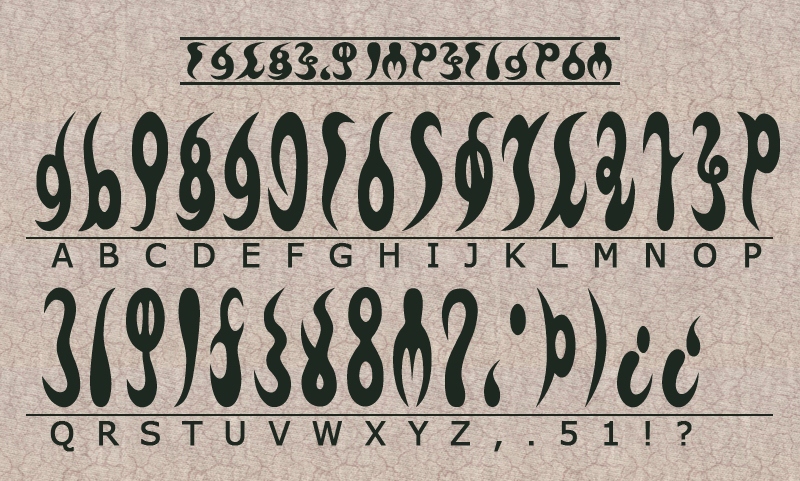
Gerudo is an ancient language spoken by the Gerudo race and is known for its heavy use of the 'v' sound that is not found in the Hylian language.
Phonology
"Sav'otta" (sah-voh-tah): Good morning
"Sav'aaq" (sah-vahck): Good day/afternoon
"Sav'saaba" (sahv-sah-bah): Good evening
"Sav'orr" (sah-vore): Good night
"Vasaaq": (vah-sahck): Hello
"Sav'orq" (sah-vorck): Good bye
"Sarqso" (sark-soh): Thank you
"Vaba" (vah-bah): Grandmother (note: "vaba" is the informal version of "vababa")
"Baba" (bah-bah): Mother
"Vehvi" (veh-vee): Daughter
"Vai" (vaye): Woman
"Voe" (voh): Man
"Vatiti" (vah-tee-tee): King
"Vure" (voo-er): Bird
"Aaq" (ahck): Day
"Vatnu" (vaht-noo): Festival/Celebration
"Basso" (bah-soh): Warrior
"Sa'oten" (sah-oh-ten): an exclamation of surprise, e.g. "Good heavens!"
Grammar
The apostrophe in between words indicate a brief pause in the word (like a space), or the word "and". E.g. "Sav'saaba" means "good evening", whereas "orr'aaq" means "night and day"
"Sav" is usually added onto everyday greetings, but can be also used to greet people during holidays. For example, "Sav'naboor'aaq" literally means "Good Nabooru Day", but more generally translates to "Merry Nabooru Day".
Entities
The usage of only two single numbers (1 and 5) suggests that the Gerudo numerical system is a simplified variation of Roman numerals. It is possible that counting would consist of the two available numbers being used consecutively to reach the desired number. For example, 6 would be written "5 1", ten would be written "5 5" and fifty five would thus be written with eleven consecutive 5's.
Vi (vee): one (1)
Vi'vi (vee-vee): two (2); literally 'one and one'
Vi'vivi (vuh-vee-vee): three (3); literally 'one and one-one'
Vivi'vivi (vuh-vee-vuh-vee): four (4); literally 'one-one and one-one'
Ve (veh): five (5)
Ve'vi (veh-vee): six (6); literally 'five and one'
Ve'vivi (veh-vee-vee) seven (7); literally 'five and one-one'
Vi've'vivi (vee-veh-vee-vee) eight (8); literally 'one and five and one-one'
Vivi've'vivi (vee-vee-veh-vee-vee) nine (9); literally 'one-one and five and one-one'
Vi'l (vee-eel): ten (10)
Ve'l (veh-eel): fifty (50)
Vi'li (vee-lee): one-hundred (100)
Vi'li + any number before 100: 100 + number, e.g. vi'li've'vi=106
Single number + vi'li: a multiple of 100, e.g. ve'vi'vi'le=700
Ve'li (veh-lee): five-hundred (500)
Vi'lib (vee-leeb): one-thousand (1,000)
Ve'lib (veh-leeb): five-thousand (5,000)
Vi'libi (vee-lee-bee): one million (1,000,000)
Ve'libi (veh-lee-bee) five million (5,000,000)
Overview
Details about this language's overview
Gerudo
Info
Details about this language's info
Gerudo is an ancient language spoken by the Gerudo race and is known for its heavy use of the 'v' sound that is not found in the Hylian language.
Phonology
Details about this language's phonology
"Sav'otta" (sah-voh-tah): Good morning
"Sav'aaq" (sah-vahck): Good day/afternoon
"Sav'saaba" (sahv-sah-bah): Good evening
"Sav'orr" (sah-vore): Good night
"Vasaaq": (vah-sahck): Hello
"Sav'orq" (sah-vorck): Good bye
"Sarqso" (sark-soh): Thank you
"Vaba" (vah-bah): Grandmother (note: "vaba" is the informal version of "vababa")
"Baba" (bah-bah): Mother
"Vehvi" (veh-vee): Daughter
"Vai" (vaye): Woman
"Voe" (voh): Man
"Vatiti" (vah-tee-tee): King
"Vure" (voo-er): Bird
"Aaq" (ahck): Day
"Vatnu" (vaht-noo): Festival/Celebration
"Basso" (bah-soh): Warrior
"Sa'oten" (sah-oh-ten): an exclamation of surprise, e.g. "Good heavens!"
Grammar
Details about this language's grammar
The apostrophe in between words indicate a brief pause in the word (like a space), or the word "and". E.g. "Sav'saaba" means "good evening", whereas "orr'aaq" means "night and day"
"Sav" is usually added onto everyday greetings, but can be also used to greet people during holidays. For example, "Sav'naboor'aaq" literally means "Good Nabooru Day", but more generally translates to "Merry Nabooru Day".
Entities
Details about this language's entities
The usage of only two single numbers (1 and 5) suggests that the Gerudo numerical system is a simplified variation of Roman numerals. It is possible that counting would consist of the two available numbers being used consecutively to reach the desired number. For example, 6 would be written "5 1", ten would be written "5 5" and fifty five would thus be written with eleven consecutive 5's.
Vi (vee): one (1)
Vi'vi (vee-vee): two (2); literally 'one and one'
Vi'vivi (vuh-vee-vee): three (3); literally 'one and one-one'
Vivi'vivi (vuh-vee-vuh-vee): four (4); literally 'one-one and one-one'
Ve (veh): five (5)
Ve'vi (veh-vee): six (6); literally 'five and one'
Ve'vivi (veh-vee-vee) seven (7); literally 'five and one-one'
Vi've'vivi (vee-veh-vee-vee) eight (8); literally 'one and five and one-one'
Vivi've'vivi (vee-vee-veh-vee-vee) nine (9); literally 'one-one and five and one-one'
Vi'l (vee-eel): ten (10)
Ve'l (veh-eel): fifty (50)
Vi'li (vee-lee): one-hundred (100)
Vi'li + any number before 100: 100 + number, e.g. vi'li've'vi=106
Single number + vi'li: a multiple of 100, e.g. ve'vi'vi'le=700
Ve'li (veh-lee): five-hundred (500)
Vi'lib (vee-leeb): one-thousand (1,000)
Ve'lib (veh-leeb): five-thousand (5,000)
Vi'libi (vee-lee-bee): one million (1,000,000)
Ve'libi (veh-lee-bee) five million (5,000,000)
Changelog
Details about this language's changelog
No changelog information yet
This section doesn't have any information filled in yet.
Notes
Details about this language's notes
No notes information yet
This section doesn't have any information filled in yet.
vocabulary
Details about this language's vocabulary
No vocabulary information yet
This section doesn't have any information filled in yet.
Gallery
Images and visual content for this language
Associations
Other pages that reference or connect to this language
Referenced By
19Ganondorf Dragmire
Languages spoken
Zela Dragmire
Languages spoken
Lyra Dragmire
Languages spoken
Bokoba Dragmire
Languages spoken
Seras Dragmire
Languages spoken
Paprika Dragmire
Languages spoken
Dinah Dragmire
Languages spoken
Samwell Elwin
Languages spoken
Nagiri Awali
Languages spoken
Muava Buandai
Languages spoken
Ishma Herman
Languages spoken
Conarith Canterbury-Gaster
Languages spoken
Link Kiaré Farrowday
Languages spoken
Sujan Witker
Languages spoken
Gerudo Town
Languages
Kara Kara Bazaar
Languages
The Dynasty
Spoken Languages
Gerudo
Spoken Languages
Gerudo
Languages
Collections
Published collections that feature this language
Not in any collections yet
This language hasn't been published in any collections yet. Collections are curated groups of related content that help organize and showcase your world.
Tip: Collections are a great way to group related content together and share themed stories or worldbuilding elements with others.
Timelines
Timelines that reference or include this language
No timeline connections yet
This language isn't connected to any timelines yet. Timelines help organize events chronologically and show how your content fits into the broader history of your world.
Tip: Create timelines to organize important events in your world's history. Link characters, locations, and other content to specific events to build rich, interconnected narratives.
Shares
Discussion about this language
No shares yet
Be the first to start a discussion about this language by sharing it to the community stream.
Privacy & Sharing
Manage who can see and access this language
Current Status
refresh
This language is currently
Privacy Settings
Choose who can see and access this language
language Universe Privacy
This page belongs to a universe with its own privacy settings