
Categories
Dive Deeper
Page Stats
Navigation
Categories
Dive Deeper
Page Stats
Complete Details
All information about this creature
Overview
Imperial Mountain Cat
Large carnivorous feline.
Big Cat
Looks
Muscular, long thick tail for balance
Large
Nose to tail is 6.5', foot to the top of the head is 4'
225 lbs
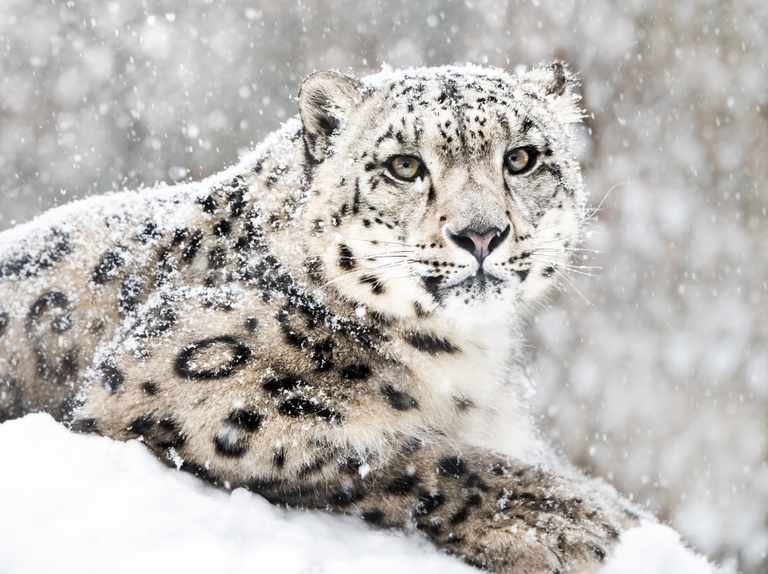
grey, white, black spotted coat, 10" diameter paw
none
heavy fur
Traits
sneak and pounce attack
swats with big paws and long claws when attacked or cornered. uses canine teeth to rip flesh.
30 mph
Lives so high up in the mountains that it has two hearts to keep blood flowing. Can live for three days on one heart.
Two hearts are very close together, one good stab would kill it. cubs are very susceptible to the cold.
a low growl, purring, young can sound like a child crying in fear.
smell
eyesight at night. Although it's far and away better than humans. night sight is not as good as its prey.
Habitat
High mountain rocky outcrops
animals in the high rocks of the mountains
no migration
no herding
Golden short-nosed bear
Humans love their fur. Male Imperial Cats will kill cubs of other males to bring female back into heat. Golden short-nosed bear will eat young cubs that wander too far without mom.
black-footed mountain goats. Alpine chipmunk. Occasionally humans.
Comparisons
Snow leopard
So hard to kill that it gives the hunter a very high status.
Evolution
Lesser mountain cat, some of which still survive at lower altitudes.
competition at lower altitudes
with two hearts it needs a very high calorie intake.
Reproduction
1.5 years old
Females in heat cry out in canyons that echo. Males respond and follow the sound.
sexual
10-month gestation, 4 nursing until young are weaned, then female can go back into heat. Usually one cub.
extremely protective of young.
cub stays in the rocky den until weaned, then venture out, but only a few yards. After 6 mo the female brings it chipmunks to play hunt, at 9-12 mo they start to hunt with her. Although they can reproduce at 1.5 years, they usually stay with mom until at least 2.
30% survive to adulthood.
Classification
Panthera
felis
imperata
Overview
Details about this creature's overview
Imperial Mountain Cat
Large carnivorous feline.
Big Cat
Looks
Details about this creature's looks
Muscular, long thick tail for balance
Large
Nose to tail is 6.5', foot to the top of the head is 4'
225 lbs
grey, white, black spotted coat, 10" diameter paw
none
heavy fur
Traits
Details about this creature's traits
sneak and pounce attack
swats with big paws and long claws when attacked or cornered. uses canine teeth to rip flesh.
30 mph
Lives so high up in the mountains that it has two hearts to keep blood flowing. Can live for three days on one heart.
Two hearts are very close together, one good stab would kill it. cubs are very susceptible to the cold.
a low growl, purring, young can sound like a child crying in fear.
smell
eyesight at night. Although it's far and away better than humans. night sight is not as good as its prey.
Habitat
Details about this creature's habitat
High mountain rocky outcrops
animals in the high rocks of the mountains
no migration
no herding
Golden short-nosed bear
Humans love their fur. Male Imperial Cats will kill cubs of other males to bring female back into heat. Golden short-nosed bear will eat young cubs that wander too far without mom.
black-footed mountain goats. Alpine chipmunk. Occasionally humans.
Comparisons
Details about this creature's comparisons
Snow leopard
So hard to kill that it gives the hunter a very high status.
Evolution
Details about this creature's evolution
Lesser mountain cat, some of which still survive at lower altitudes.
competition at lower altitudes
with two hearts it needs a very high calorie intake.
Reproduction
Details about this creature's reproduction
1.5 years old
Females in heat cry out in canyons that echo. Males respond and follow the sound.
sexual
10-month gestation, 4 nursing until young are weaned, then female can go back into heat. Usually one cub.
extremely protective of young.
cub stays in the rocky den until weaned, then venture out, but only a few yards. After 6 mo the female brings it chipmunks to play hunt, at 9-12 mo they start to hunt with her. Although they can reproduce at 1.5 years, they usually stay with mom until at least 2.
30% survive to adulthood.
Classification
Details about this creature's classification
Panthera
felis
imperata
Notes
Details about this creature's notes
No notes information yet
This section doesn't have any information filled in yet.
Gallery
Images and visual content for this creature
Associations
Other pages that reference or connect to this creature
Referenced By
7Uttara
Creatures
Friar's Gate
Creatures
Ataraxia
Creatures
Highland Rim
Creatures
Dakshin
Creatures
Mystwood
Creatures
Friars of the Daystar
Creatures
Collections
Published collections that feature this creature
Not in any collections yet
This creature hasn't been published in any collections yet. Collections are curated groups of related content that help organize and showcase your world.
Tip: Collections are a great way to group related content together and share themed stories or worldbuilding elements with others.
Timelines
Timelines that reference or include this creature
No timeline connections yet
This creature isn't connected to any timelines yet. Timelines help organize events chronologically and show how your content fits into the broader history of your world.
Tip: Create timelines to organize important events in your world's history. Link characters, locations, and other content to specific events to build rich, interconnected narratives.
Shares
Discussion about this creature
No shares yet
Be the first to start a discussion about this creature by sharing it to the community stream.
Privacy & Sharing
Manage who can see and access this creature
Current Status
refresh
This creature is currently
Privacy Settings
Choose who can see and access this creature
language Universe Privacy
This page belongs to a universe with its own privacy settings
