

Categories
Dive Deeper
Page Stats
Navigation
Categories
Dive Deeper
Page Stats
Complete Details
All information about this deity
Overview
Kroloss
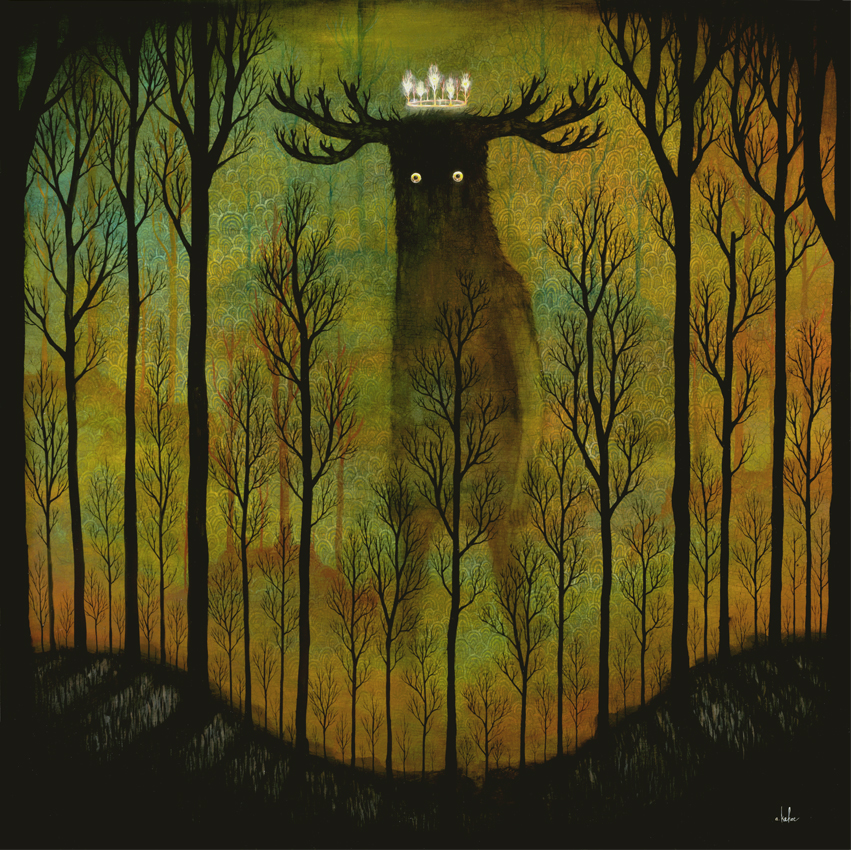
A large Intimidating entity, half naked and often with a goats head where a human head would be
The mischief maker, the nameless, the always watching, The Sleeping Fire
Appearance
An inhumanly tall, shirtless man with a face that you can never quite make out or remember. His face is obscured in shadow with goat horns sticking out and loin cloth
Kroloss usually stands 9-30ft or taller
As much or little as he wants
Family
Symbolism
an eye, the goat, a mountain path
Chaos, Earth, Glory, Knowledge, Madness, Strength, Trickery, arcane energy (technically the atlanian god of magic before stanzgar and atlania united)
Powers
Primordial understanding, transformative fire, arcane sovereignty, and mastery of magic and mind
Ennui, boredom, inaction due to him knowing the outcomes of what will happen. For the most part he is known for defeating himself.
The Madness (Knows all knowledge, but can only view it a portion at a time, a lot like a all knowledge of the universe is a magnetic tape, and Kroloss the tape head of hand winding the tape to find the section that all the information that he needs for a particular task).
Rituals
The Crossed Threshold
Practice:
Before leaving home for dangerous travel:
step over the threshold
then step back once
then leave properly
Meaning:
“I acknowledge the path, but I do not belong to it yet.”
This is done to avoid:
drawing Kroloss’ attention too strongly
especially:
soldiers
merchants
hunters
The Covered Eye
Practice:
A small eye symbol is:
drawn in ash
then immediately smudged
often on:
doorframes
travel packs
shield backs
Meaning:
“I know you are watching.
I would prefer you keep watching from there.”
It is not protection—
it is polite distance.
Very Atlanian.
The Goat’s Portion
Practice:
Before difficult journeys or risky choices:
a small portion of food
or
a cup of strong drink
is left:
at crossroads
mountain paths
old stones
Meaning:
payment for mischief avoided
Not worship.
Appeasement.
Especially never taken back
That is considered very bad.
The Fire Bargain
Practice:
When making a desperate promise:
the person burns something personal
such as:
hair
cloth
old letters
blood on parchment
while speaking aloud:
“Let this be witness.”
Meaning:
A bargain made under Kroloss’ eye
Breaking this is believed to bring:
madness
ruin
impossible bad luck
🪨 The Mountain Silence
Practice:
When crossing high mountain passes:
no boasting
no speaking your plans aloud
especially at dusk
Meaning:
Kroloss loves pride and loose words
Speaking too boldly is believed to:
invite disaster
cause paths to “change”
Atlanians take this one very seriously.
Quick Protective Utterances
These are short, practical, and common.
Before risky choices:
“Don’t let him laugh.”
Before travel:
“Path before pride.”
When something goes strangely wrong:
“Kroloss noticed.”
When refusing temptation:
“Not that road.”
When someone is acting foolish:
“You’re feeding the goat.”
Never Speak Plans at a Crossroads
Rule:
Do not say:
travel plans
ambitions
promises
boasts
while standing where roads split
Why:
crossroads belong to Kroloss
Speaking plans there gives him something to ruin
Even children are taught this.
Very serious superstition.
The Backward Coin
Practice:
Before major travel or risky deals:
flip a coin over your shoulder
without looking back
Meaning:
pay the watcher, but do not invite conversation
Looking back is considered:
very bad
because it means you want his answer
Do Not Feed a Black Goat After Sunset
Rule:
Never hand-feed black goats at night
Why:
because if it speaks back,
you were never feeding a goat
This one is half folklore, half genuine fear.
Still absolutely obeyed.
Never Leave a Fire Unwatched
Rule:
Campfires and hearthfires must be:
properly watched
or
properly extinguished
Never abandoned casually
Why:
because Kroloss is:
The Sleeping Fire
and neglected flame invites him
This one overlaps with practical wisdom—which makes it stronger
Salt on the Mountain Path
Practice:
A pinch of salt is dropped when entering dangerous mountain roads
Meaning:
not for blessing—
for boundaries
Salt says:
this is mine, not yours
Very old tradition
Do Not Answer the Third Knock
Rule:
If three knocks come at night
and no voice follows—
wait
Do not answer immediately
Why:
because Kroloss loves curiosity
and impatience
Sometimes it’s just the wind.
People still wait.
Turn Your Boots Before Sleep
Practice:
Travelers turn their boots to face inward before bed
Meaning:
so the road does not claim you in the night
Especially common among soldiers and merchants
Never Toast Your Own Glory
Rule:
You may toast:
victory
companions
survival
but never:
yourself
Why:
Kroloss loves pride
and pride makes excellent bait
Very culturally important
Common Sayings
“Don’t feed the goat.”
“Crossroads have ears.”
“Leave pride for daylight.”
“Some fires should stay sleeping.”
“If Kroloss notices you, apologize to someone.”
Kroloss frequently interacts with those who willingly follow him. He usually tells them to do things or go places.
Kroloss works behind the scenes, he usually never interferes directly in the mortal realm, preferring to get people to do things for him
History
Kroloss creates the atlanians
He casts the atlanians out
Kroloss grows jealous of the new northern gods, acquires Orichalcum coins of his own and bribes Tal'Zanithal to let the Atlanian Gods join his Pantheon (he did not ask the other Cura and Dùrchan if this was something they wanted)
instantly grows bored with being a god under Tal'Zanithal, kidnaps the goddess of festivals Sarala, expecting the other stanzgarian gods to come fight him so she can be rescued. They never come. Sarala starts demanding things of her captor, Kroloss of course, and excellent host obliges. One thing leads to another and Kroloss find himself married. Eventually siring a "secret" child.
Kroloss creates his champion and the riders of madness in the very late 5th age
loses his horn of madness in during the demon plague when his champion falls slaying demons.
Notes
Karpachi Magic is added incidentally, Kroloss can only access this level of power when doing tasks that further "The Plan" and he wouldn't know he was doing it.
No longer has the Primordial Fire of Life
The "secret" child is an open secret, a handful of stanzgarian gods know about her, but the wider pantheon doesn't.
Kroloss couldn't keep Zaminar a secret from Cura and Dùrchan if he tried. And Atlanian spirits hear everything. So obviously, the whole of the atlanian pantheon knows, but if Kroloss tells the spirits to keep it between them they listen.
Overview
Details about this deity's overview
Kroloss
A large Intimidating entity, half naked and often with a goats head where a human head would be
The mischief maker, the nameless, the always watching, The Sleeping Fire
Appearance
Details about this deity's appearance
An inhumanly tall, shirtless man with a face that you can never quite make out or remember. His face is obscured in shadow with goat horns sticking out and loin cloth
Kroloss usually stands 9-30ft or taller
As much or little as he wants
Family
Details about this deity's family
Symbolism
Details about this deity's symbolism
an eye, the goat, a mountain path
Chaos, Earth, Glory, Knowledge, Madness, Strength, Trickery, arcane energy (technically the atlanian god of magic before stanzgar and atlania united)
Powers
Details about this deity's powers
Primordial understanding, transformative fire, arcane sovereignty, and mastery of magic and mind
Ennui, boredom, inaction due to him knowing the outcomes of what will happen. For the most part he is known for defeating himself.
The Madness (Knows all knowledge, but can only view it a portion at a time, a lot like a all knowledge of the universe is a magnetic tape, and Kroloss the tape head of hand winding the tape to find the section that all the information that he needs for a particular task).
Rituals
Details about this deity's rituals
The Crossed Threshold
Practice:
Before leaving home for dangerous travel:
step over the threshold
then step back once
then leave properly
Meaning:
“I acknowledge the path, but I do not belong to it yet.”
This is done to avoid:
drawing Kroloss’ attention too strongly
especially:
soldiers
merchants
hunters
The Covered Eye
Practice:
A small eye symbol is:
drawn in ash
then immediately smudged
often on:
doorframes
travel packs
shield backs
Meaning:
“I know you are watching.
I would prefer you keep watching from there.”
It is not protection—
it is polite distance.
Very Atlanian.
The Goat’s Portion
Practice:
Before difficult journeys or risky choices:
a small portion of food
or
a cup of strong drink
is left:
at crossroads
mountain paths
old stones
Meaning:
payment for mischief avoided
Not worship.
Appeasement.
Especially never taken back
That is considered very bad.
The Fire Bargain
Practice:
When making a desperate promise:
the person burns something personal
such as:
hair
cloth
old letters
blood on parchment
while speaking aloud:
“Let this be witness.”
Meaning:
A bargain made under Kroloss’ eye
Breaking this is believed to bring:
madness
ruin
impossible bad luck
🪨 The Mountain Silence
Practice:
When crossing high mountain passes:
no boasting
no speaking your plans aloud
especially at dusk
Meaning:
Kroloss loves pride and loose words
Speaking too boldly is believed to:
invite disaster
cause paths to “change”
Atlanians take this one very seriously.
Quick Protective Utterances
These are short, practical, and common.
Before risky choices:
“Don’t let him laugh.”
Before travel:
“Path before pride.”
When something goes strangely wrong:
“Kroloss noticed.”
When refusing temptation:
“Not that road.”
When someone is acting foolish:
“You’re feeding the goat.”
Never Speak Plans at a Crossroads
Rule:
Do not say:
travel plans
ambitions
promises
boasts
while standing where roads split
Why:
crossroads belong to Kroloss
Speaking plans there gives him something to ruin
Even children are taught this.
Very serious superstition.
The Backward Coin
Practice:
Before major travel or risky deals:
flip a coin over your shoulder
without looking back
Meaning:
pay the watcher, but do not invite conversation
Looking back is considered:
very bad
because it means you want his answer
Do Not Feed a Black Goat After Sunset
Rule:
Never hand-feed black goats at night
Why:
because if it speaks back,
you were never feeding a goat
This one is half folklore, half genuine fear.
Still absolutely obeyed.
Never Leave a Fire Unwatched
Rule:
Campfires and hearthfires must be:
properly watched
or
properly extinguished
Never abandoned casually
Why:
because Kroloss is:
The Sleeping Fire
and neglected flame invites him
This one overlaps with practical wisdom—which makes it stronger
Salt on the Mountain Path
Practice:
A pinch of salt is dropped when entering dangerous mountain roads
Meaning:
not for blessing—
for boundaries
Salt says:
this is mine, not yours
Very old tradition
Do Not Answer the Third Knock
Rule:
If three knocks come at night
and no voice follows—
wait
Do not answer immediately
Why:
because Kroloss loves curiosity
and impatience
Sometimes it’s just the wind.
People still wait.
Turn Your Boots Before Sleep
Practice:
Travelers turn their boots to face inward before bed
Meaning:
so the road does not claim you in the night
Especially common among soldiers and merchants
Never Toast Your Own Glory
Rule:
You may toast:
victory
companions
survival
but never:
yourself
Why:
Kroloss loves pride
and pride makes excellent bait
Very culturally important
Common Sayings
“Don’t feed the goat.”
“Crossroads have ears.”
“Leave pride for daylight.”
“Some fires should stay sleeping.”
“If Kroloss notices you, apologize to someone.”
Kroloss frequently interacts with those who willingly follow him. He usually tells them to do things or go places.
Kroloss works behind the scenes, he usually never interferes directly in the mortal realm, preferring to get people to do things for him
History
Details about this deity's history
Kroloss creates the atlanians
He casts the atlanians out
Kroloss grows jealous of the new northern gods, acquires Orichalcum coins of his own and bribes Tal'Zanithal to let the Atlanian Gods join his Pantheon (he did not ask the other Cura and Dùrchan if this was something they wanted)
instantly grows bored with being a god under Tal'Zanithal, kidnaps the goddess of festivals Sarala, expecting the other stanzgarian gods to come fight him so she can be rescued. They never come. Sarala starts demanding things of her captor, Kroloss of course, and excellent host obliges. One thing leads to another and Kroloss find himself married. Eventually siring a "secret" child.
Kroloss creates his champion and the riders of madness in the very late 5th age
loses his horn of madness in during the demon plague when his champion falls slaying demons.
Notes
Details about this deity's notes
Karpachi Magic is added incidentally, Kroloss can only access this level of power when doing tasks that further "The Plan" and he wouldn't know he was doing it.
No longer has the Primordial Fire of Life
The "secret" child is an open secret, a handful of stanzgarian gods know about her, but the wider pantheon doesn't.
Kroloss couldn't keep Zaminar a secret from Cura and Dùrchan if he tried. And Atlanian spirits hear everything. So obviously, the whole of the atlanian pantheon knows, but if Kroloss tells the spirits to keep it between them they listen.
Gallery
Images and visual content for this deity


Associations
Other pages that reference or connect to this deity
Referenced By
19Cùra The Guardian
Siblings
Sol Saris
Deities
Sol Saris
Deities
Atlanian Mysticism
Deities
Aideen the Red
Arch-enemies
The Horn of Madness
Original Owners
The Horn of Madness
Past Owners
The Horn of Madness
Makers
Andrew Hayes
Enemies
Nicolas Drachenbär
Arch-enemies
Si'akar
Arch-enemies
Si'akar
Enemies
Dodson
Arch-enemies
Saren Morep
Arch-enemies
Zamanar
Arch-enemies
Zamanar
Fathers
Sarala
Partners
Dùrchan na Geata, The Gatekeeper
Siblings
Zamanar
Parents
Collections
Published collections that feature this deity
Not in any collections yet
This deity hasn't been published in any collections yet. Collections are curated groups of related content that help organize and showcase your world.
Tip: Collections are a great way to group related content together and share themed stories or worldbuilding elements with others.
Timelines
Timelines that reference or include this deity
No timeline connections yet
This deity isn't connected to any timelines yet. Timelines help organize events chronologically and show how your content fits into the broader history of your world.
Tip: Create timelines to organize important events in your world's history. Link characters, locations, and other content to specific events to build rich, interconnected narratives.
Shares
Discussion about this deity
No shares yet
Be the first to start a discussion about this deity by sharing it to the community stream.
Privacy & Sharing
Manage who can see and access this deity
Current Status
refresh
This deity is currently
Privacy Settings
Choose who can see and access this deity
language Universe Privacy
This page belongs to a universe with its own privacy settings